Showing posts sorted by relevance for query kujira. Sort by date Show all posts

9/27/2008

SEAFOOD WINTER Fish

[ . BACK to WORLDKIGO TOP . ]
::::::::::::::::::::::::::::::::::::::::::::::::::::::::::::::::::::::::::::::::::::::::::::::::::::

Seafood in Winter : FISH

***** Location: Japan
***** Season: Winter
***** Category: Humanity


*****************************
Explanation


. Fishing in all seasons


Some fish names are combined :

kan xyz ... in the cold
fuyu no xyz ... in winter


Fish heavy with eggs come down the rivers to the estuaries to lay eggs,
others come down from the colder northern waters to the southern shores of Japan

ochi xyz ... coming down


:::::::::::::::::::::::::::::::::::::::::::::::::::::::::::::::::::::::::::::::::::::::::::::::::::

Early Winter

Cod hatsu tara 初鱈 (はつたら) first tara of the season
more see below


sand lance in frost, shimofuri kamasu
霜降かます (しもふりかます)


Sea bass coming down (ochi suzuki 落鱸 (おちすずき))
futobara suzuki 太腹鱸(ふとばらすずき)
"sea bass with a big belly"
..... harafuto はらふと "big belly "
Lateolabrax japonicus


smelt, shishamo 柳葉魚 (ししゃも)
the name comes from the Ainu language
. . . CLICK here for Photos !
grilling shihsamo, shishamo yaku ししゃも焼く(ししゃもやく)
They are also often eaten with the roe, komochi shishamo.
Stint

Ainu Food : Shishamo from Mukawacho 鵡川町


:::::::::::::::::::::::::::::::::::::::::::::::::::::::::::::::::::::::::::::::::::::::::::::::::::

Mid-Winter


Flounder in the cold, kangarei 寒鰈(かんがれい)
shimotsukigarei 霜月鰈 (しもつきがれい) flounder in december
(shimotsuki, "month with frost", name of the old 11th lunar month)


Gissu coming down, ochi gisu 落鱚 (おちぎす)
for Gissu, see below


Yellowtail, first yellowtail, hatsu buri
初鰤 (はつぶり)
for buri, see below


:::::::::::::::::::::::::::::::::::::::::::::::::::::::::::::::::::::::::::::::::::::::::::::::::::

Late Winter


carp in the cold, kangoi 寒鯉 (かんごい)
itegoi 凍鯉(いてごい)freezing carp
kangoi tsuri 寒鯉釣(かんごいつり)fishing for cold carp


Crucian carp in the cold, kan buna, kanbuna 寒鮒 (かんぶな)
Fam. Carassius
kannare 寒馴れ(かんなれ) fish "used to the cold"
kanbuna tsuri 寒鮒釣(かんぶなつり)fishing for cold crucian carp
kogoribuna, kogori buna こごり鮒(こごりぶな)
"jellied crucian carp" dish


dace in the cold, kanbaya 寒鮠 (かんばや)
Japanese dace, haya.
Leuciscus hakonensis. Bartgrundel
Dace in all seasons


Lamprey eel, yatsume unagi 八目鰻
Lampetra japonica
Despite its name, this in not a member of the eel family.
yatsume 八目(やつめ)"eight eyes"
kan yatsume 寒八目(かんやつめ)lamprey in the cold
river yatsume, kawa yatsume 川八目(かわやつめ)
sand yatsume, suna yatsume 砂八目(すなやつめ)
In zoology, lampreys are often not considered to be true fish because of their vastly different morphology and physiology. I also added them with the seafood selection.


Sea bream in the cold, kandai 寒鯛 (かんだい)
fuyu no tai 冬の鯛(ふゆのたい)sea bream in winter


:::::::::::::::::::::::::::::::::::::::::::::::::::::::::::::::::::::::::::::::::::::::::::::::::::

All Winter

Alaska pollack, sukesoodara
助宗鱈 (すけそうだら)

Theragra chalcogramma
..... sukedoo dara 介党鱈(すけとうだら)
"Tara from Sado Island, "Sadodara 佐渡鱈(さどだら)
"fish with roe", mentaigyo 明太魚(めんたいぎょ)
fish roe from Alaska pollack, momijiko 紅葉子(もみじこ)
Alaska-Seelachs, Alaska-Pollack


angler fish, ankoo 鮟鱇 (あんこう)
Lophiomus setigerus
"biwa fish", biwagyo 琵琶魚(びわぎょ)
"old woman fish", robagyoo 老婆魚(ろうばぎょ)
kaseigyo 華臍魚(かせいぎょ), jugyo 綬魚(じゅぎょ)
hanging angler fish up for cutting, anko no tsurushigiri
鮟鱇の吊し切り(あんこうのつるしぎり)
..... especially liked for its raw liver (ankimo)and ankonabe hodgepodge in winter.
Seeteufel. monkfish
. . . . . and
nabekowashi 鍋破 (なべこわし) great sculpin
Myoxocephalos polyacanthocephalus


Ara, oki suzuki 阿羅(あら)
Niphon spinosus
araami, ara-ami あら網(あらあみ)net for Ara fishing


:::::::::::::::::::::::::::::::::::::::::::::::::::::::::::::::::::::::::::::::::::::::::::::::::::::


bluefish, Japanese bluefish, mutsu 鯥 (むつ)
mutsu no ko 鯥の子(むつのこ) bluefish eggs
Scombrops boops. japanischer Blaubarsch


Cod tara 鱈 (たら) codfish, haddock
tara "snow fish" 雪魚(たら)
"real cod", madara 真鱈(まだら), hondara 、本鱈(ほんだら)
"tara along the beach" isodara 磯鱈(いそだら)
"tara in the open sea", okidara 沖鱈(おきだら)
taraba, place to fish for tara 鱈場(たらば)
tarabune, ship to fish for tara 鱈船(たらぶね)
tara ami, net to catch tara 鱈網(たらあみ)
tarako, roe of the cod 鱈子(たらこ)
tarachiri, hodgepodge with tara 鱈ちり(たらちり)
tarajiru, soup with tara 鱈汁(たらじる), dongarajiru 寒鱈汁(どんがら汁)


:::::::::::::::::::::::::::::::::::::::::::::::::::::::::::::::::::::::::::::::::::::::::::::::::::::


Dolphin, iruka 海豚 (いるか)
lit. "pig of the sea"
ma iruka 真海豚(まいるか)oceanic dolphin
gondoo kujira ごんどう鯨(ごんどうくじら)
hunting for dolphines, irukagari 海豚狩(いるかがり)
Delphin, dorufin ドルフィン


伸び上りドルフィン首を振れば春
nobiagari dorufin kubi o fureba haru

when the dolfin comes out
and stretches its head -
it is spring


Arima Akito 有馬朗人


:::::::::::::::::::::::::::::::::::::::::::::::::::::::::::::::::::::::::::::::::::::::::::::::::::::


Gissu, dabogisu だぼ鱚 (だぼぎす)
..... gisu ぎす / 義須
Pterothrissus gissu


Globefish, Blowfish (fugu 河豚)
pufferfish, swellfish,
fugu choochin 河豚提燈(ふぐちょうちん)fugu as a lampion decoration
fugu no doku 河豚の毒(ふぐのどく)blowfish poison
fugu atari 河豚中り(ふぐあたり)blowfish poison poisoning
kita makura, kitamakura 北枕(きたまくら)
"death pillow in the north"
harisenbon, hari senbon 針千本(はりせんぼん)
"one thousand needles"
. . . . . and
many more names of this poisonous fish
. . . . . and
fugunabe, blowfish stew 河豚鍋(ふぐなべ)and more food
. . . . . and
fugu tsuri 河豚釣(ふぐつり)fishing for fugu
fugu ami 河豚網(ふぐあみ) net for fishing fugu


Gurnard, hooboo 竹麦魚 (ほうぼう)
Chelidonichthys spinosus
Knurrhahn
. . . . . and another kind of gurnard
kanagashira 方頭魚 かながしら
"gold head", kanagashira 金頭(かながしら)
"fire fish", hi uo 火魚(ひうお)

:::::::::::::::::::::::::::::::::::::::::::::::::::::::::::::::::::::::::::::::::::::::::::::::::::::


Herring, round herring, urume ウルメ, 潤目鰯
big-eye sardine
..... urume うるめ
Etrumeus teres. Urume-Hering


Himeji ひめじ / ヒメジ
Upeneus japonicus
hime ひめ, himeichi, hime-ichi ひめいち
Kintaroo 金太郎(きんたろう)
Kintaroo, the Golden Boy Legend 金太郎


Isaza, isaza 魦 (いさざ) Lake Biwa goby
Gymnogobius isaza and Chaenogobius isaza
eine Grundelart
isazabune 魦舟(いさざぶね)boat for fishing isaza
isazaryoo 魦漁(いさざりょう)fishing for isaza
isaza ami 魦網(いさざあみ)net for isaza
or a special variety, Neomysis intermedia, almost like small shrimp
isaza eri 魦魞(いさざえり)trap for catching isaza
It grows to about 8 cm in length. Sweetwater fish, often in the lake Biwako, where it is prepared to some delicious dishes.
Some say it is the same as the "white fish", シロウオ shirouo.
. . . CLICK here for Photos !


:::::::::::::::::::::::::::::::::::::::::::::::::::::::::::::::::::::::::::::::::::::::::::::::::::::


Marlin, kajiki maguro 梶木鮪
(かじきまぐろ, 旗魚鮪)

..... kajiki 旗魚
swordfish
fishing for marlin, kajiki tsuri かじき釣り(かじきつり)


Menuke 眼抜 (めぬけ)
menuki めぬき
Sebastes alutus
Alaska Menuke, lives in the colder waters of Northern Japan.


:::::::::::::::::::::::::::::::::::::::::::::::::::::::::::::::::::::::::::::::::::::::::::::::::::::


pomfret, silver pomfret, managatsuo
マナガツオ 真名鰹, (まながつお)
harvest fish
Pampus argenteus
"the real katsuo", fished in the Inland Sea off Sanuki / Kagawa pref.
They call it this way to make sure it is the real KATSUO, not the one eaten in Tosa, at the southern side of Shikoku island.
The fish must be very fresh. To cover its special taste, it is marinated in miso or wine or other sauces for a while.
Its bones are soft and can be deep-fried, served as "bone senbei crackers".
It is also served at the Emperor's palace, prepared as French Food and eaten with knife and fork.


:::::::::::::::::::::::::::::::::::::::::::::::::::::::::::::::::::::::::::::::::::::::::::::::::::::


saffron cod 氷魚 (ひお) hio, lit. "ice fish"
... komai 氷下魚 (こまい) "fish under ice"
... kankai カンカイ(寒海)"cold sea"
Eleginus gracilis


Sandfish, hatahata 雷魚 (はたはた, 鰰, 鱩)
Arctoscopus japonicus
..... "thunder fish", kaminari uo かみなりうお
Speciality of Akita : hata-hata
Sandbandfisch


Sculpin, Japanese sculpin,
杜父魚 (かくぶつ) kakubutsu
. 杜夫魚(かくぶつ)
arare uo 霰魚(あられうお)"hailstone fish"
arare gako 霰がこ(あられがこ)
Cottus pollux. (kajika). Kaulkopf
He comes with many local names, for example gori dishes in Ishikawa.
A kind of anglerfish (anko), see above.


. Sea bream varieties
budai 舞鯛 (ぶだい) "dancing sea bream"
..... maidai まいだい
Calotomus japonicus
. . . . . and
itoyoridai いとよりだい【糸縒鯛】
.... itoyori 金糸魚 (いとより)
itoyouo, ito uo 糸魚(いとうお)"thread fish"
itokuri uo糸繰魚(いとくりうお)
kinsengyo 金線魚(きんせんぎょ)"Golden Thread Fish"
Nemipterus virgatus
. . . . . and
kinmedai 金目鯛 (きんめだい) Alfonsino, "Golden Eye Tai"
nishikidai 錦鯛(にしきだい) "brocade tai"


. . . . .


Shark, same 鮫 (さめ)
Shark 鮫 (さめ) same Haifisch
superorder Selachimorpha
fuka 鱶(ふか)
"blue shark", yoshikirizame 葭切鮫(よしきりざめ)
its fins are used for sharks fin soup
aozame 青鮫(あおざめ)
"star shark", spotted smooth-hound shark, hoshizame 星鮫(ほしざめ)
"tiger shark", torazame 虎鮫(とらざめ)
"cat shark", bullhead shark, nekozame 猫鮫(ねこざめ)
"saw shark", spurdog shark, nokogirizame 鋸鮫(のこぎりざめ)
and many more shark types

:::::::::::::::::::::::::::::::::::::::::::::::::::::::::::::::::::::::::::::::::::::::::::::::::::::


Sole, hirame 鮃 (ひらめ) Bastard halibut
sole in the cold, kanhirame, kanhirame 寒鮃(かんひらめ)
Paralichthys olivaceus. 平目、比目魚, ヒラメ


striped black mullet in the cold
kanbora 寒鰡 (かんぼら)

mekurabora 盲鰡(めくらぼら)"blind bora"
hinode bora 日出鰡(ひのでぼら) "bora at sunset"
Mugil cephalus
Dishes with the springer
. . . . . but
gray mullet, bora 鯔 Mugil cephalus
kigo for autumn


:::::::::::::::::::::::::::::::::::::::::::::::::::::::::::::::::::::::::::::::::::::::::::::::::::::


Tilefish, amadai 甘鯛 "sweet tai"
Okitsudai 興津鯛(おきつだい)sea bream from Okitsu, Shizuoka
guji ぐじ
Lopholatilus chamealeonticeps


Trout surviving (this year) tooshi-ayu 通し鮎 (とおしあゆ)
..... tomari-ayu 止り鮎(とまりあゆ)
More about ayu, masu, trout, sweetfish . . .
Plecoglossus altivelis


.................................................................................


Tuna, maguro 鮪 (まぐろ)
shibi しび, binnaga 鰭長(びんなが)
mebachi めばち / 眼撥 Thunna obesus. big-eyed tuna. großäugiger Thunfisch

"black tuna", bluefin tuna, kuromaguro 黒鮪(くろまぐろ)
... Thunnus thynnus
"real tuna", hon maguro 本鮪(ほんまぐろ)

boat for fishing for tuna, magurobune 鮪船(まぐろぶね)
fishing for tuna, maguro tsuri 鮪釣(まぐろつり)
net for tuna, maguro ami 鮪網(まぐろあみ)


. WASHOKU
Maguro . KIGO and Food


:::::::::::::::::::::::::::::::::::::::::::::::::::::::::::::::::::::::::::::::::::::::::::::::::::::


Whales, kujira 鯨
semi kujira 背美鯨(せみくじら)Eubalaena japonica

makkoo kujira 抹香鯨(まっこうくじら)sperm whale
Physeter macrocephalus

zatoo kujira 座頭鯨(ざとうくじら)humpback whale
Megaptera novaeangliae

iwashi kujira 鰯鯨(いわしくじら)sei whale
Balaenoptera borealis]
nagasu kujira 長須鯨(ながすくじら)
Balaenoptera musculus
..... shironagasu kujira 白長須鯨(しろながすくじら)

kokujira 小鯨(こくじら)"small whale"

isana 勇魚(いさな)Isana. old name for the whale


:::::::::::::::::::::::::::::::::::::::::::::::::::::::::::::::::::::::::::::::::::::::::::::::::::::


Yellowtail, buri 鰤 (ぶり)
Seriola quinqueradiata
big yellowtail, ooburi 大鰤(おおぶり)
"a tonsured goblin", nyuudoo 入道(にゅうどう)
"big fish" ooio 大魚(おおいお)
net for catching yellowtail 鰤網(ぶりあみ)
place for fishing, buriba 鰤場(ぶりば)
salted yellowtail, shioburi 塩鰤(しおぶり)
rolled yellowtail, makiburi 巻鰤(まきぶり)

. . . CLICK here for Photos !
speciality of Noto peninsula
Gelbschwanz
thunder in winter, when the yellowtail are coming,
buri okoshi 鰤起し(ぶりおこし)
Yellowtail is used for the New Year soup (zooni) in Western Japan.
The name BURI is a contraction of ABURA, full of fat, A is left out and BURA becomes BURI.

yellowtail in the cold, kanburi 寒鰤 (かんぶり)
This one has the most fat and is used in Toyama Bay cooking and Kaga Ryori.
kigo for late winter


Yellowtail of middle-size, warasa (わらさ)
kigo for all autumn

- December 20 -
buri no hi 鰤の日 day of the yellowtail

Created by Radio Nagano.
goroawase with 2 bu 0 ri 「ぶ(2)り(0)
The kanji for the fish has on its right side the kanji for D
ecember 師 (shiwasu).

Other Yellowtail LINKS

Buriwake Shinto Ritual 鰤分け神事
January 1, Shimomura Kamo Shrine, Takaoka, Toyama pref.

buri daikon ぶり大根 yellowtail with radish and more buri dishes from Ishikawa prefecture
..... kaburazushi 蕪ずし salted yellowtail sandwiched between turnips

Hakata Zooni, Hakata Zoni soup with yellowtail

rolled yellowtail, makiburi 巻鰤(まきぶり) from Akita prefecture

buri no shirako ぶりの白子fish roe from yellowtail
BUT
buriko ブリコ, or burikko ぶりっこ the hard roe of the hatahata fish from Akita


buri tsuru 鰤釣る(ぶりつる)fishing for yellowtailand related KIGO


Yellowtail in the soup for the New Year
"yellowtail tuna to pass into the New Year" toshitori buri 年取鰤 is a speciality for New Year in Western Japan.


hamachi はまち yellowtail, the young fish
kigo for summer


hiketaburi, Hiketa buri ひけた鰤 /引田鰤 a kind of hamachi
young buri from Hiketa town
Often the first of the season in Okayama and Kagawa
The market for it startes usually around November 7.


. buri kaido 鰤街道 yellowtail road .
From Wakasa to Nagano

:::::::::::::::::::::::::::::::::::::::::::::::::::::::::::::::::::::::::::::::::::::::::::::::::::::
:::::::::::::::::::::::::::::::::::::::::::::::::::::::::::::::::::::::::::::::::::::::::::::::::::::


eel (capitone) in Italy
The capitone is offered during the Christmas eve dinner which only consists of fish courses.

on the table cloth
the capitone waits
for its turn


Moussia, Italy

Roast Eel, Capitone Arrosto
This is a classic Christmas Eve dish from Altamura, in northwestern Puglia, Italy.
I remember in Germany we also have eel as a favorite winter fish, because of its fat.
In Japan, as we saw above, the eel is eaten in the middle of the summer heat.

Gabi Greve

:::::::::::::::::::::::::::::::::::::::::::::::::::::::::::::::::::::::::::::::::::::::::::::::::::::


sea bream waffles, taiyaki 鯛焼き
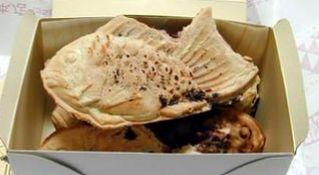


stall selling tai waffles, taiyaki ya 鯛焼屋(たいやきや)

This is a sweet, a kind of waffle or pancake filled with sweet red bean paste and sold at streat stalls, especially during the cold winter days. It has the form of a sea bream, hence the name.
The TAI itself is an auspicious fish, because its word tail, so to speak, is the same as the end of the word MEDETAI, auspicious. It is eaten at special ceremonies and the New Year.

white taiyaki 白い鯛焼き is made with tapioka flour, so the waffle stays white. It is more chewy than the normal one. They started to be made in Fukuoka by Fukakusa Tomohiro in 2007. Tapioka flour is sold by Torigoe.
Taiyaki started in 1909 in Asabu juuban, Minato ward, Tokyo. White taiyaki can be served frozen in summer, like a kind of sherbet.
. . . CLICK here for Photos !


Kanda Daruma 神田のたい焼き屋 達磨 with Daruma Taiyaki


... fishing for tai sea bream with a large net, taiami 鯛網
kigo for late spring.


:::::::::::::::::::::::::::::::::::::::::::::::::::::::::::::::::::::::::::::::::::::::::::::::::::

New Year

A lot of fish and seafood is prepared for the special dishes of
the New Year Season, O-Setchi Ryori
(osetchi ryoori おせち料理, 御節料理 )

New Year Food, Neujahrsessen


:::::::::::::::::::::::::::::::::::::::::::::::::::::::::::::::::::::::::::::::::::::::::::::::::::

Fish as Topic

Many contributions in this category might even be considered senryu.


*****************************
Worldwide use


*****************************
Things found on the way


shinkaigyo しんかいぎょ (深海魚) deep-sea fish
in more than 200 meters. Many are caught in the Bay of Suruga.
Tiefseefisch.
There are special sushi shops in Heda and Doi to sell these.
深海魚の寿司 shinkaigyo no sushi!

げほう→トウジン ... gehoo ... toojin. Coelorinchus japonicus
とろぼっち→アオメエソ ... torobotchi ... aome eso 青眼狗母魚. greeneyes. Chlorophthalmus albatrossis
めぎす→ニギス ... megisu ... nigisu. Japanese argentine. Glossanodon semifasciata
どんこ→エゾイソアイナメ ... tongo ... ezoin ainame 蝦夷磯相甞. brown hakeling. Physiculus maximowiczi
ごそ→ハシキンメ ... goso ... hashikinme. "golden eye" . Gephyroberyx japonicus
赤かさご→シロカサゴ ... akasago ... shiro kasago . Setarches longimanus . kasago 笠子 is a rock fish

CLICK for original LINK..


:::::::::::::::::::::::::::::::::::::::::::::::::::::::::::::::::::::::::::::::::::::::::::::::::::::


kengyo 献魚 (けんぎょ) fish as an offering
Fisch als Opfergabe
kengyosai 献魚祭 Ceremony with a fish offering
Especially at Oki no Shima (沖ノ島) and other shrines


*****************************
HAIKU
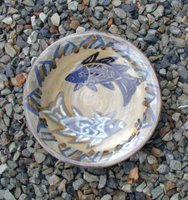


旅人に昨日は岩魚今日は鮎
tabibito ni kinoo wa iwana kyoo wa ayu

for the traveller
yesterday local trout
today sweetfish


Morita Toge 森田峠
避暑散歩

iwana, Salvelinus pluvius
ayu, Plecoglossus altivelis


*****************************
Related words

Related words

. Food of the New Year Season, O-Setchi Ryori .
(osetchi ryoori おせち料理, 御節料理 )

including fish dishes


.................................................................................

***** funaryoori 船料理 (ふなりょうり)
food served on board a ship or boat


WASHOKU : SUSHI
Decorations and Vocabulary


***** WASHOKU : SEAFOOD


. Fishing in all seasons


. "Career Fish"(shusse-uo 出世魚)    
They change their name as they grow larger.


. ANIMALS in all SEASONS
SAIJIKI


[ . BACK to WORLDKIGO  TOP . ]
:::::::::::::::::::::::::::::::::::::::::::::::::::::::::::::::::::::::::::::::::::::::::::::::::::::

5/23/2008

Wakayama Kumano Koya

[ . BACK to WORLDKIGO TOP . ]

::::::::::::::::::::::::::::::::::::::::::::::::::::::::::::::::::::::::::::::::::::::::::::::::::::

Wakayama Prefecture


Wakayama Prefecture (和歌山県, Wakayama-ken) is a prefecture of Japan located on the Kii Peninsula in the Kansai region on Honshū island. The capital is the city of Wakayama.
© More in the WIKIPEDIA !


In october, daidai mikan だいだい 和歌山 are shipped to all of Japan.
. . . CLICK here for Photos !


Koya San in Wakayama 高野山


The ancient Kumano Pilgrims Road
Kumano Kodoo, Kumano Kodō (熊野古道)


Waterfall of Nachi, Nachi no Taki

:::::::::::::::::::::::::::::::::::::::::::::::::::::::::::::::::::::::::::::::::::::::::::::::::::


Regional dishes from Wakayama 和歌山の郷土料理
. . . CLICK here for Photos !

In olden times, many refugees from the capital found a new home in the valleys of Wakayama and brought some of the food culture from the capital (Nara, later Kyoto) with them.


ayuzushi, ayu sushi 鮎ずし sushi with sweetfish
best from the clear waters of the river Kozagawa 古座川
in this river there are also tenagaebi 手長えび、unagi うなぎ、zugani ずがに.
and other ayu dishes
ayu no nikuzushi 鮎の肉ずし、ayu no segohsi 鮎のせごし、ayu no shirago 鮎の白子 roe of the female、ayu no misoni 鮎の味噌煮、ayu no kanroni 鮎の甘露煮、aburiayu あぶり鮎、ayu no zoosui 鮎の雑炊


chagayu 大和の茶がゆ rice gruel cooked with tea
Especially in the mountainous area of Kumano, where each farmhouse has its own small tea plantation for private use. They can not grow much rice and to give the daily portions more volume, the rice was cooked with hoojicha tea until it was soft. It is now eaten for breakfast or dinner together with some side dishes.
The color is a brown-green mix.


gomadoofu, gomadofu, goma tofu ごま豆腐 tofu with sesame paste
Mount Koya is especially famous for this dish. It is very healthy and has a pleasant fragance.
. . . CLICK here for Photos !


hijiki no tsukudani ひじきの佃煮 sweetly simmered hijiki seaweed
From Higashi Murogun 東牟婁. The seaweed is collected in early spring. funori and tengusa are also collected.


hoorakuyaki, hooraku yaki ほうらく焼き simmered in an earthen pot
Fish with white meat of the season is simmered in an earthen pot. Sauce from pickled plums is added.
hooroku 焙烙 / 炮烙 / ホーロク / ほうろく is a special earthen pot
hooraku is a local dialect version.


igami no nitsuke いがみの煮付け boiled igami fish
a typical fish of Soutern Wakayama, igami budai「いがみ(ブダイ)
Leptoscarus japonicus.
Served for the new year, boiled with its head and some potatoes to go with it.
. . . CLICK here for Photos !
Papageifisch


inoko mochi 猪子餅, 亥の子餅 ricecakes like little wild boars
Made for the autumn festival of Wild Boars (inoko matsuri いのこ祭り for the deity of Wild Boars 亥の神様, to see him off to the mountains for his winter rest.
The mochi war white and red anko is pasted around them. There are 12 in a common year and 13 in a leap year (uruudoshi 閏年), placed in a wooden masu as offering to the deity.
Marishiten and the wild boar mochi connection


imomochi, imo mochi いももち sweet potato mochi
mat along the coast of Kumano, where there was not enough space to grow rice. In former times, a little wheat and sweet potatoes was the daily food of the poor farmers, especially along the coast of Higashi Muro 東牟婁海岸. Their other food was
ukecha
ukecha うけ茶, when the dried sweet potaotes were placed in a bowl of green tea.


itadori nimono イタドリ煮物 boiled itadori fern
gathered from the end of march. For keeping it is pickled in salt, shiozuke 塩漬け.
. . . CLICK here for Photos !


jakozushi, jako sushi じゃこ寿司 sushi from small river fish
jako (zako) じゃこ【雑魚】
kawauo 川魚(じゃこ jako in the local dialect) river fish, they were quite common in the waters around Wakayama. They were boiled with sweet soy sauce and then put on sushi rice, eaten in summer and as oshizushi for the autumn festival. Often wrapped in a persimmon leaf, like the
Benkei no jakosushi 弁慶のじゃこすし
from fish of the river Ki no Kawa 紀ノ川 near Koya-san 高野山.


:::::::::::::::::::::::::::::::::::::::::::::::::::::::::::::::::::::::::::::::::::::::::::::::::::::


kaki 柿 persimmon
an important product of Wakayama

kushigaki 串柿 ( くしがき) dried persimmons on a stick
town of Shigo, Katsuragi

kakijamu, kaki jam 柿ジャム persimmon jam
It contains a lot of vitamin C, carotin and calium. Like this it could be eaten the whole year.


kaki no hazushi, kaki no ha sushi 柿の葉ずし sushi wrapped in a persimmon leaf
more famous in Nara 柿の葉 葉寿司


kaki no nukazuke 柿の粕漬け persimmons pickled in rice bran
from the Ito area 伊都地方, were Fuyuugaki 富有柿 were grown. It was a special gift of this area.


kakizuke daikon 柿漬け大根 pickled radish with persimmons
The peel of bitter persimmons was pickled with takuan radish in rice bran. The liquor from the fruit would give it a special fruity flavor.


.................................................................................


kakimaze かきまぜ(o-maze おまぜ) mixed sushi
. . . kashiwa ha no sushi 柏葉のすし sushi in an oak tree leaf
with carrots, goboo, shiitake, fuki no to and bamboo shoots or other seasonal vegetables.
Prepared for memorial services in red color. For happy occasions and festivals yellow omelett stripes and pickled pink ginger were added.
Katsuura and Nachi area 那智勝浦町太田地域


.................................................................................


kamakurazuke kamakura tsuke かまくら漬 / 鎌倉漬 fish sushi
from the Arita area 有田
Especially prepared for visitors, a kind of narezushi, mostly with saba, pickled together with radish, carrots and renkon lotus root, with a lot of salt, sugar and rice vinegar.


:::::::::::::::::::::::::::::::::::::::::::::::::::::::::::::::::::::::::::::::::::::::::::::::::::


Kishuu no umeboshi 紀州の梅干 
dried plums from Kishu

Umeboshi 梅干 dried pickled salty plums
from 紀州産 南高 梅


Kishuu ume flavor 紀州梅を使用した梅味の柿の種 snack, kaki no tane
also with peanuts 紀州梅味 柿の種 ピーナッツ入り 
. . . CLICK here for Photos !


Kishuu ume konbucha 紀州梅昆布茶 Kombu-Tea with ume flavor
. . . CLICK here for Photos !


Kishuu ume koshu (furuzake) 紀州梅古酒 "old liquor"
. . . CLICK here for Photos !


Kishuu ume monaka 紀州梅と梅最中 / 紀州梅もなか Waffers with ume
. . . CLICK here for Photos !


Kishuu ume negijio raamen 紀州梅ネギ塩ラーメン soup with leek and pickled plums
. . . CLICK here for Photos !


Kishuu ume sofuto 紀州梅ソフト soft icecream
. . . CLICK here for Photos !


Kishuu ume suupu ほんのり紀州梅 スープ春雨 instant soup
with edamame beans and nori
. . . CLICK here for Photos !


Kishuu ume tan / sumi 紀州梅炭 coal from Kishuu plum trees
. . . CLICK here for Photos !


Kishuu ume zerii 紀州梅ゼリー jelly with plums from Kishu
. . . CLICK here for Photos !


CLICK for more photos
ume udon 梅うどん red udon noodles with ume in the dough
. . . CLICK here for Photos !
also as instant soup from Nisshin Ume Donbei どん兵衛


usujio Kishuu ume うす塩紀州梅 pickled with less salt


tomato ume とまと梅 tomato plum sauce
tomato―ume(とまとうめ)だれ
from Minabe Village, Yutosei 優糖星


:::::::::::::::::::::::::::::::::::::::::::::::::::::::::::::::::::::::::::::::::::::::::::::::::::


kokerazushi, kokera sushi こけらずし layered festival sushi
From Matsue area 松江
For the autumn festival. Made with shrimp and seasoned fish powder (soboro).
kokerazushi 柿鮓 "wood shingled sushi", layered sushi


komugi mochi 小麦餅 wheat flour mochi
11 days after hangeshoo (はんげしょう)半夏生, the summer solstice.
haggeshoomochi 小麦餅(はげっしょう餅 )from Nara


kuenabe, kue nabe クエ鍋 kelp grouper hodgepodge
kue 九絵 Epinephelus moara
This fish loves the warmer sea south of the Kanto area. It grows until about 1 meter long. It lays its eggs in the cliffs around Hidaka coast. In winter, it is eaten in hodgepodge, as sashimi or soaked in ricewine.
from Hidaka 日高町
. . . CLICK here for Photos !


:::::::::::::::::::::::::::::::::::::::::::::::::::::::::::::::::::::::::::::::::::::::::::::::::::


kujira 鯨 whale
Mostly caught in Taiji (太地町, Taiji-chō), located in Higashimuro District.
Taiji Whale Museum opened in 1969.
太地の鯨料理 紀州 Kishu Dishes with whale meat

Wada Kakuemon, later known as Taiji Kakuemon, invented the whaling net technique called Amitori hoo (網取法) to increase the safety and efficiency of whaling. This method lasted more than 200 years.

kujira no goma-ae 鯨のごま和え whale meat with sesame dressing
first prepared by 太地角右衛門 Taji Kakuemon in the Edo period. Also prepared with misoae.

kujira no tazuta age 鯨の竜田揚げ deep-fried whale meat
This was most common in the good old days.

kujira suteeki 鯨ステーキ whale meat steak


sarashikujira no sumiso-ae さらし鯨の酢味噌和え
whale meat with vinegar-miso paste dressing
sarashi kujira さらしくじら【晒し鯨】 The fins and skin are thinly cut, blanched in boiling water to get rid of the skin and then "cooled down" (sarashi) in ice water. This tasts good with a vinegary flavor dressing. It is also eaten in miso soup.
whale meat dishes as KIGO for summer


saezuri 鯨さえずり the tongue of the whale, often as sashimi or bacon
saezuri is a word for the twittering of birds
. . . CLICK here for Photos !


WKD : Whale, kigo for all winter


:::::::::::::::::::::::::::::::::::::::::::::::::::::::::::::::::::::::::::::::::::::::::::::::::::::


kurumimochi, kurumi mochi くるみ餅 mochi with walnuts
Mochi are prepared with the new rice for the autumn festival and offered to the tutelary clan deities (ujigami 氏神様) . Their light green color is pleasant.
. . . CLICK here for Photos !


mamegohan, mame gohan 豆ごはん rice with reeen peas
from Inancho town 印南町, a growing region for endomame えんどう【豌豆】 podded peas.
There are many varieties of these peas like oranda オランダ、usui ウスイ、saya endoo サヤエンドウ. For cooking with rice, the usui-endo are used.
. . . CLICK here for Photos !


menosushi, me no sushi めのすし sushi wrapped in seaweed
Every spring, a specially wide seaweed of the kombu family is harvested near East Muro town 東牟婁 (and in parts of neighbouring Mie prefecture).
antokume あんとくめ, hirome ひろめ are names for this seaweed. It is dried in the sun and can be used all year long for wrapping sushi.


Naraae, Nara ae, Nara-ae 奈良あえ Nara salad
with radish, carrots, abura-age tofu, dried shiitake mushrooms, goboo, and a sauce with sake, sugar, vinegar and salt.
The area of Hirai, Kozagawa 古座川町平井地区
. . . CLICK here for Photos of the area !
This area is famous for the fugitives from the capital Nara, who kept their food culture like in the old days. Their regional specialities have quite a revival these days. For example yuzu products and
ayuzushi and uzumidoofu in our list here.


ni namasu, ninamasu 煮なます boiled "namasu"
finely chopped raw fish and vegetables soaked in vinegar, then boiled


osasuri おさすり (ebitsu えびつ)festival confect
Offering on May 5, for the Boy's festival, together with chimaki dumplings.
They used to be made from wheat flour in green color or with past of soramame beans.
. . . CLICK here for Photos !


:::::::::::::::::::::::::::::::::::::::::::::::::::::::::::::::::::::::::::::::::::::::::::::::::::::


saba no hayazushi to amazake 鯖の早寿しと甘酒
mackerel sushi and sweet ricewine
From Hidaka 日高地方
Prepared for the autumn festival in October, a kind of narezushi (fermented sushi), but nowadays vineger is used.
narezushi is prepared for festivals since more than 800 years. The Arita area 有田 also has a long tradition. They wrap the sushi into a leaf similar to the susuki reed grass, called ase no ha sushi あせの葉寿司.


saba no takikomi gohan 鯖の炊きこみご飯 mackerel cooked with rice
Along the coastline of Wakayama, takikomi rice cooked with ingredients is often prepared. Also sanma pacific saury, oysters or mussles are used. In the mountains, mushrooms and sansai mountain vegetables are cooked with the rice.


saera no teppoo さえらのてっぽう Pacific saury sushi
Along the southern coastline, when autumn turns in winter, sanma Pacific saury comed down from the North and has less fat, just right to prepare sushi.
This is a special dish for festivities., prepared with vinegared sushi rice and hand-kneaded sushi.
saerazushi さえらずし(sanmazushi さんまずし)


sanmazushi, sanma sushi さんまずし 秋刀魚 Pacific saury sushi
sanma comes down from Hokkaido and reaches Wakayama in winter. It has less fat and is right for maruboshi 丸干し, drying in the sun and wind of the beach. The fish is salted over night and then dried for two or three days. Grilled is a delicacy.
For sugatazushi, with head and tail, some juice of daidai mikan is added to the sushi rice.
. . . CLICK here for sugatazushi Photos !
Makrelenhecht. Cololabis saira.


satoimo kukizuke 里芋くき漬け pickles from taro stems
from Higashi Murogun 東牟婁.
The stems are also eaten as boiled vegetables or with dressing.
(see zuiki below)


:::::::::::::::::::::::::::::::::::::::::::::::::::::::::::::::::::::::::::::::::::::::::::::::::::::


CLICK for more photos
tachiuo, tachi-uo たちうお【太刀魚】
hairtail; cutlass fish; scabbard fish
Trichiurus lepturus auriga
Degenfisch


tachi-uo to chiizu no pai tsutsumi 太刀魚とチーズのパイ包み
scabbard fish wrapped in cheese and baked as a pie


tachi-uo sushi, tachiuo sushi タチウオすし sushi from scabbard fish
The best in Japan, as they say.
From Arita town. 有田市 which has the highest catch of this fish.
. . . CLICK here for Photos !


::::::::::::::::::::::::::::::::::::::::::::::::::::::::::::::::::::::::::::::::::::::::::::::::::::


takanazushi, takana sushi 高菜ずし sushi from takana leaves
. . . CLICK here for Photos !
Brassica juncea var. integrifolia.
nubarizushi, nubari sushi めばり寿司 from Mie prefecture
. . . meharizushi, mehari sushi めはりずし large sushi
wrapped inthe pickled leaves of Takana, which are pickled in winter and early spring. They were used to wrap the lunch rice for forest workers.
The names comes from a wordplay, with "opeinig your eyes wide when seeing this huge lunch paket" "me o miharu hodo okii".
Nara no mehari sushi

. Takana 高菜 mustard greens .


toofuyaki 豆腐焼き grilled tofu
For the New Year preparations. A kind of dengaku with miso paste.
In Wakayama spielt der Tofu bei den Neujahrsvorbereitungen eine wichtige Rolle. Nach dem großen Neujahrs-Hausputz am 31. Dezember treffen sich die Mitglieder der „Tofu-Gruppe“ (toofukoo豆腐講) abwechselnd in einem Haus und genießen gegrillten Tofu mit Miso-Paste (toofudengaku), während sie die Ereignisse des abgelaufenen Jahres besprechen und sich an glückverheißenden symbolischen Wortspielen mit MISO (失敗、弱みそ, 泣きみそ) und TOFU erfreuen.


:::::::::::::::::::::::::::::::::::::::::::::::::::::::::::::::::::::::::::::::::::::::::::::::::::::


umebishio, ume hishio 梅びしお paste from pickled plums
umeboshi were made into a fine paste and cooked with sugar. Their sweet-sour taste was a condiment for all food, for salads and fish dishes.
. . . CLICK here for Photos !


ume gohan, umemeshi 梅ごはん pickled umeboshi plums with rice
Best in summer, when people were tired and the sourness of the plums together with the perilla brought back their appetite. It was good cold as a luchbox.
. . . CLICK here for Photos !


utsubo ryoori うつぼ料理 moray (eel) dishes
in Kushimoto, Southern Kishu 南紀串本
it was eaten as a stamina food for the farmers and fishermen. Dried in the cold wind, then prepared as tsukudani. It was given to pregnant women and after birth to make the milk flow for the baby.
It best season is in summer, like hamo eel.
. . . CLICK here for Photos !

. utsubo 靱 moray eel, Kidako eel .
Gymnothorax kidako

. utsubogusa 靱草 (うつぼぐさ) "Kidako eel plant" .


uzumidoofu, uzumi tofu, uzumi dofu うずみ豆腐 "tofu burried in rice"
uzumaru 埋まる lit. means to be burried under something.
It can be freshly cooked white rice or rice gruel (kayu) or mochigome sticky rice.
From the mountainous area around Kozagawa 古座川町, where followers of the Heike lived in secrecy and kept the tradition of the capital Nara.


yorori no zushi ヨロリのずし sushi from black tuna
yorori
ヨロリis another name for kuroshibi kamasu クロシビカマス
. . . CLICK here for Photos !
black tuna, Promethichthys prometheus
He looks rather black,has a lot of fat and tasts superb. You can also fry the meat, cook it or use it for other fish dishes.


. WASHOKU
yubamaki ゆば巻 "suhsi rolled in soymilk skin"


zuiki no nimono ずいきの煮物 boiled taro stems
mostly from yatsuhashi 八つ頭 and ebi-imo えび芋 varieties.
zuiki is good for women after giving birth.
芋茎(ずいき) Zuiki Taro and the 随喜 Zuiki Vegetable Festival


:::::::::::::::::::::::::::::::::::::::::::::::::::::::::::::::::::::::::::::::::::::::::::::::::::::


External LINK

Food, Dining, Festivals in Wakayama


*****************************
Worldwide use


*****************************
Things found on the way


*****************************
HAIKU


*****************************
Related words

***** WASHOKU : Regional Japanese Dishes

***** . Folk Toys from Wakayama .

:::::::::::::::::::::::::::::::::::::::::::::::::::::::::::::::::::::::::::::::::::::::::::::::::::

2/20/2009

Tateyama ekiben

[ . BACK to WORLDKIGO TOP . ]

::::::::::::::::::::::::::::::::::::::::::::::::::::::::::::::::::::::::::::::::::::::::::::::::::::

Tateyama Stationlunch
TATEYAMA Ekiben Station lunchbox
千葉県館山駅弁

Kujira bentoo
くじら弁当 Whale meat bento


CLICK for more photos

Whale meat has been eaten in the old province of Boso sinc olden times. The owner of the present shop, who makes the bento, has been eating it since childhood and tries to keep the taste "of his mother" for the bento.
The meat is first cooked and the scum taken off carefully, then it is simmered with sugar and soy sauce (Yamatoni, Yamato-ni 大和煮), adding shredded ginger and green shiso leaves to cover the raw taste of fish. Simmer for three hours at least and then let sit over night in the refrigerator.
Soboro "shredded whale meat" is also prepared with a special sauce.
The meat is put on the rice and in the middle a layer of scrambled egg to add some color. For a final touch, some of the sauce is poored over the whale meat.

. . . CLICK here for Photos !


:::::::::::::::::::::::::::::::::::::::::::::::::::::::::::::::::::::::::::::::::::::::::::::::::::


WASHOKU
more KUJIRA information


WKD ... KIGO
Whales, kujira 鯨


:::::::::::::::::::::::::::::::::::::::::::::::::::::::::::::::::::::::::::::::::::::::::::::::::::::


Tateyama station, CHIBA prefecture
JR 内房線・館山駅 Uchi Boosoo sen Main Line
. . . CLICK here for Photos !
The station building is one of the 100 most beautiful ones in Japan,with its atmosphere of the mediterranean.


Tateyama town 館山 
Chiba prefecture

Tateyama (館山市, Tateyama-shi) is a city located at the southern tip of the Boso Peninsula in Chiba 千葉, Japan. It lies at the mouth of Tokyo Bay, on the more easterly side.
Tateyama is unique and symbolic in Japanese history. Three days after the signing of the surrender papers to end World War II, American troops first set foot on Japanese soil at Tateyama. It marked the first time the nation had been successfully invaded by a foreign power.
© More in the WIKIPEDIA !


*****************************
Worldwide use


*****************************
Things found on the way


*****************************
HAIKU


*****************************
Related words

***** WASHOKU
Ekiben 駅弁 Station Lunch Box


WASHOKU
Regional Japanese Dishes


WASHOKU
Roadside stations (michi no eki 道の駅) Highway Service Areas


:::::::::::::::::::::::::::::::::::::::::::::::::::::::::::::::::::::::::::::::::::::::::::::::::::

1/20/2008

SUMMER FOOD

[ . BACK to WORLDKIGO TOP . ]

::::::::::::::::::::::::::::::::::::::::::::::::::::::::::::::::::::::::::::::::::::::::::::::::::::

The Japanese Food Saijiki

和食歳時記  

:::::::::::::::::::::::::::::::::::::::::::::::::::::::::::::::::::::::::::::::::::::::::::::::::::::


SUMMER Food

under construction
haiku and explanations will be added later.

Nastu ryoori, 夏料理 (なつりょうり) ... Summer food

:::::::::::::::::::::::::::::::::::::::::::::::::::::::::::::::::::::::::::::::::::::::::::::::::::


The Haiku SUMMER starts on May 6, according to the Asian lunar calendar.

There are many food specialities for summer in Japan.
In Alphabetical order of the Japanese.
Use your browser to find a word, please !


If the name of a vegetable is mentioned, it represents the cooked form as it is served with rice.

some sweets are included

:::::::::::::::::::::::::::::::::::::::::::::::::::::::::::::::::::::::::::::::::::::::::::::::::::

Early Summer

Chimaki 粽/茅巻き/茅巻


Gorijiru 鮴汁 (ごりじる) Gori fish soup
gori no jiru ごりの汁(ごりのしる)
Gori is a rare sweetwater fish, often eaten in Kanazawa, sometimes served as tempura.
. . . CLICK here for Photos !


Mamemeshi 豆飯 (まめめし) rice with beans
with endomame or green peas


Migaki nishin 身欠鰊 (みがきにしん)
hand-torn herring pieces

mikaki nishin (みかきにしん)
yakumigaki 厄身欠(やくみがき)
Prepared from "spring herring"


Mugimeshi 麦飯 (むぎめし)
rice mixed with hatomugi grains

sumugi すむぎ


Takenoko meshi 筍飯 (たけのこめし)
rice with bamboo shoots


Uri.. makuwa uri 真桑瓜 melon
Suika .. watermelon スイカ 西瓜
Traditional Folk Toys : Boy cutting a melon


:::::::::::::::::::::::::::::::::::::::::::::::::::::::::::::::::::::::::::::::::::::::::::::::::::

Mid-Summer


Atsumejiru 集め汁 (あつめじる)
"soup with mixed ingredients"

"stay safe-soup", mujitsujiru むじつ汁(むじつじる)
Known since the Heian period.


. taue meshi 田植飯(たうえめし)rice eaten during rice planting  
usually some nigiri for all the participants, eaten in a hurry to finish the work needed for the day.

tauezakana 田植肴(たうえざかな)side dishes for rice planting
usually a few slices of pickled radish takuan and plums (umeboshi).


:::::::::::::::::::::::::::::::::::::::::::::::::::::::::::::::::::::::::::::::::::::::::::::::::::

Late Summer


Doyo eel, doyoo unagi 土用鰻 (どよううなぎ)
day of the eel, unagi no hi 鰻の日(うなぎのひ)
Eel dishes (unagi)
Aal


Doyo corbicula clams, doyoo shijimi
土用蜆 (どようしじみ)

eaten in miso soup
WASHOKU
Shijimijiru 蜆汁, しじみ汁 miso soup with corbicula clams


:::::::::::::::::::::::::::::::::::::::::::::::::::::::::::::::::::::::::::::::::::::::::::::::::::::


Gesai no on kayu 解斎の御粥
"End of mourning" rice gruel ceremony


:::::::::::::::::::::::::::::::::::::::::::::::::::::::::::::::::::::::::::::::::::::::::::::::::::::


Hiyashi uri 冷し瓜 (ひやしうり) cooled gourd
uri hiyasu 瓜冷す(うりひやす)
cooled watermelon, hiyashi suika 冷し西瓜(ひやしすいか)
suika hiyasu 西瓜冷す(すいかひやす)
watermelon on ice, koori suika氷西瓜(こおりすいか)

MORE
Gourd and gourd pickles (uri)

:::::::::::::::::::::::::::::::::::::::::::::::::::::::::::::::::::::::::::::::::::::::::::::::::::::


Hoshi-ii (hoshiii, hoshii) 干飯 (ほしいい) cooked dried rice
used as food for a journey or provisions for busy days.
It was soaked in water before eating.
It was already served on the Kentoshi 遣唐使 ships to China during the Heian period.
Together with dried deer meat, Narazuke pickles, miso paste, dried persimmons and walnuts, further konbu and katsuobushi for flavoring, it was dried food that kept the travellers healthy.
..... 糒(ほしいい)乾飯(ほしいい)
doomyooji 道明寺(どうみょうじ) Temple Domyo-Ji
hiki-ii 引飯(ひきいい)
kare iiかれいい、karei かれい、hoshi-i ほしい
First prepared in a nunnery in Kawachi at the temple Domyo-Ji. With poems in the Ise Monogatari.

. Domyo-Ji Temple Festivals  


:::::::::::::::::::::::::::::::::::::::::::::::::::::::::::::::::::::::::::::::::::::::::::::::::::::


Myoogajiru 茗荷汁 soup with myoga
Japanese ginger, Zingiber mioga 
Japanischer Ingwer


:::::::::::::::::::::::::::::::::::::::::::::::::::::::::::::::::::::::::::::::::::::::::::::::::::::


Narazuke seisu 奈良漬製す (ならづけせいす)
making Narazuke pickles

Making Tsukemono Pickles


nasu
nasujiru, nasu-jiru 茄子汁(なすじる)eggplant soup
usually miso soup

yakinasu 焼茄子(やきなす)grilled eggplant
... jigiyaki 鴫焼(しぎやき)
eaten with soy sauce and grated ginger

Eggplant, aubergine (nasu) (Japan


:::::::::::::::::::::::::::::::::::::::::::::::::::::::::::::::::::::::::::::::::::::::::::::::::::::


Suihan 水飯 す(いはん) "water rice"
mizumeshi 水飯(みずめし)
arai meshi 洗い飯(あらいめし), mizuzuke 水漬(みずづけ)
Made from dried cooked rice (hoshi-ii, see above) to make it soft again for consumption.


:::::::::::::::::::::::::::::::::::::::::::::::::::::::::::::::::::::::::::::::::::::::::::::::::::::


Shoyu (shooyu) and hishio
Making soy sauce, shooyu tsukuru 醤油作る (しょうゆつくる)
hishio tsukuru 醤作る (ひしおつくる)


:::::::::::::::::::::::::::::::::::::::::::::::::::::::::::::::::::::::::::::::::::::::::::::::::::

All Summer


nastu ryoori, 夏料理 (なつりょうり) summer food


Anagonabe あなご鍋(あなごなべ) Hodgepodge with conger eel.
Meeraal im Eintopf


Dojoo nabe 泥鰌鍋 (どじょうなべ)loach hodgepodge
..... どぜう鍋(どじょうなべ)
loach soup, dojoo jiru 泥鰌汁(どじょうじる)
Yanagigawa nabe 柳川鍋(やながわなべ)
A pot of loaches boiled in soy sauce with beaten egg and slivers of burdock.


:::::::::::::::::::::::::::::::::::::::::::::::::::::::::::::::::::::::::::::::::::::::::::::::::::::


Funaryoori 船料理 (ふなりょうり)
food eaten on a boat

funa ikesu 船生洲(ふないけす)live well, aquarium of a boat
ikesubune 生簀船(いけすぶね) boat with a live well
It could be in a port or a pleasure boat on a river.
Food served on board of a ship or boat (funaryoori)


:::::::::::::::::::::::::::::::::::::::::::::::::::::::::::::::::::::::::::::::::::::::::::::::::::

Hamaguri 蛤 (はまぐり) clam shells, venus clams
hodgepodge with clamshells, hamaguri nabe 蛤鍋(はまなべ)
steamed hamaguri, mushi hamaguri 蒸蛤(むしはまぐり)
hamaguri broth, hamatsuyu 蛤つゆ(はまつゆ)
grilled hamaguri, yaki hamaguri 焼蛤(やきはまぐり)
suhamaguri 洲蛤(すはまぐり)
hamaguri with vinegar, su hamaguri 酢蛤(すはまぐり)

時雨はまぐり, 時雨蛤 shigure hamaguri, sweet cooked clamshells with a bit of rice wine
speciality of Mie prefecture

Venusmuscheln


:::::::::::::::::::::::::::::::::::::::::::::::::::::::::::::::::::::::::::::::::::::::::::::::::::


Hamo no kawa 鱧の皮 (はものかわ)
skin of the conger pike; pike eel

..... hamokawa 鱧皮(はもかわ)
speciality of Kyoto


:::::::::::::::::::::::::::::::::::::::::::::::::::::::::::::::::::::::::::::::::::::::::::::::::::


Hiyajiru 冷汁 (ひやじる) cold soup
hiyashijiru 冷し汁(ひやしじる)
hibiyashi 煮冷し(にびやし)
cooled soup, nizamashi 煮冷し(にざまし)
Miso soup and other kinds of soup are served cool.

:::::::::::::::::::::::::::::::::::::::::::::::::::::::::::::::::::::::::::::::::::::::::::::::::::


Hiyamugi 冷麦 (ひやむぎ) Wheat noodles chilled
on ice and served with a dipping sauce
hiyashi mugi 冷し麦(ひやしむぎ)
kirimugi 切麦(きりむぎ)


:::::::::::::::::::::::::::::::::::::::::::::::::::::::::::::::::::::::::::::::::::::::::::::::::::


Hiya soomen 冷索麺 (ひやそうめん)
cold thin somen noodles

..... 冷素麺(ひやそうめん)
hiyamen 冷麺(ひやめん)
cooling the somen, soomen hiyasu 索麺冷す(そうめんひやす)
letting somen flow down a bamboo pipe, soomen gagasu
索麺流す(そうめんながす)

MORE about
Soomen, somen noodles 索麺


:::::::::::::::::::::::::::::::::::::::::::::::::::::::::::::::::::::::::::::::::::::::::::::::::::


Hiya Yakko, hiyayakko 冷奴 (ひややっこ) cold tofu
hiyadoofu 冷豆腐(ひやどうふ)
mizudoofu 水豆腐(みずどうふ)


:::::::::::::::::::::::::::::::::::::::::::::::::::::::::::::::::::::::::::::::::::::::::::::::::::


Hoshi fugu 干河豚 (ほしふぐ) dried blowfish
..... hoshifugu 乾河豚(ほしふぐ)
"salted blowfish", shio fugu塩河豚(しおふぐ)
sarashiboshi さくら干し(さくらぼし)
noshifuguのし河豚(のしふぐ)


:::::::::::::::::::::::::::::::::::::::::::::::::::::::::::::::::::::::::::::::::::::::::::::::::::


Inari Sushi (inarizushi いなり寿司)


:::::::::::::::::::::::::::::::::::::::::::::::::::::::::::::::::::::::::::::::::::::::::::::::::::


Kani bishio, kanibshio 蟹醢 かにびしお
crabs in soy sauce
kanibishiko 蟹胥(かにびしこ)

crabs in soy sauce, kanibishio蟹醤(かにびしお)
pickled crabs, kanizuke 蟹漬(かにづけ)
A kind of shiokara 塩辛 pickles.


:::::::::::::::::::::::::::::::::::::::::::::::::::::::::::::::::::::::::::::::::::::::::::::::::::


Arrowroot, Kudzu (kuzu くず 葛)

Kuzu manjuu 葛饅頭 (くずまんじゅう) kuzu buns
kuzuzakura 葛桜(くずざくら)
. . . CLICK here for Photos !


Kuzu mochi 葛餅 (くずもち)
rice cakes from kuzu arrowroot starch

powdered with kinako soybean flower.
. . . CLICK here for Photos !


Kuzuneri 葛練 (くずねり) vermicelli with kuzu starch
kuzukiri 葛切(くずきり)
usually served in very sweet syrup (kuromitsu) and kinako powder, or anko sweet bean paste is added. Sometimes potato starch is added to the mix. The freshly prepared kuzukiri is placed on ice cubes for serving. It is a speciality of the hot summer in Kyoto.
. . . CLICK here for Photos !


Kuzu soomen 葛索麺 (くずそうめん) kuzu like somen noodles
made with kuzu arrowroot starch. Usually eaten with sweet syrup (kuromitsu).
kuzumen 葛麺(くずめん)


kuzumizu 葛水 (くずみず) water with kuzu starch
kuzumizu yookan 葛水羊羹 yokan jelly with kuzu

CLICK for more photos KUZU grows very fast in summer, in fact it overgrows anything in its way and is quite a weed to take care of in rural areas. People try to take part of its vitality by eating many kuzu products in summer.
One of the best kuzu comes from Yoshino and is made by hand from autumn to winter in a long process of cleansing the starch. Made by Morino Yoshino Kuzu Honpo 森野吉野葛本舗.
One famous shop in Kyoto which sells only kuzu is Kagizen Yoshifusa 鍵善良房 .


葛水にうつりてうれし老(おい)のかほ
kuzumizu ni utsurite ureshi oi no kao

how happy I am -
my old face is reflected
in the arrowroot water

Yosa Buson 蕪村


くず水や 花の下ゆく吉野川
kuzumizu ya hana no shita yuku Yoshinogawa

arrowroot water -
under the blossoms flows
the Yoshino river


Kigin 季吟


:::::::::::::::::::::::::::::::::::::::::::::::::::::::::::::::::::::::::::::::::::::::::::::::::::


Kyarabuki 伽羅蕗 (きゃらぶき)
"aloeswood butterbur"


:::::::::::::::::::::::::::::::::::::::::::::::::::::::::::::::::::::::::::::::::::::::::::::::::::::


Meshi sueru 飯饐える (めしすえる) "rice is sweating"
suemeshi 饐飯(すえめし)
ase no meshi 汗の飯(あせのめし)
meshi no ase 飯の汗(めしのあせ)
During the Edo period, when it was placed in a wooden barrel (komebitsu) to keep for the day and started drawing water and rot.


:::::::::::::::::::::::::::::::::::::::::::::::::::::::::::::::::::::::::::::::::::::::::::::::::::::


Mizugai 水貝 (みずがい) "water abalone"
"raw abalone", namagai 生貝(なまがい)
Abalone awabi あわび、鮑、鰒 dish.
awabi : ear shell


:::::::::::::::::::::::::::::::::::::::::::::::::::::::::::::::::::::::::::::::::::::::::::::::::::::


Namasu vinegar dressing dishes including:

Arai 洗膾 (あらい, 洗魚) "washing fish" for raw consumption
arai suzuki 洗鱸(あらいすずき)
arai tai 洗鯛(あらいたい)
arai koi 洗鯉(あらいこい)
"raw preparation", namazukuri生作り(いきづくり)

Ayu namasu 鮎膾 (あゆなます)

Oki namasu 沖膾 (おきなます) namasu prepared on the sea
segoshi namasu 背越膾(せごしなます)
aji no segoshi 鯵の背越(あじのせごし)


:::::::::::::::::::::::::::::::::::::::::::::::::::::::::::::::::::::::::::::::::::::::::::::::::::::


Nasuzuke 茄子漬 (なすづけ) pickled eggplants and other dishes
..... nasubizuke なすび漬(なすびづけ)pickled aubergine
slightly pickled eggplants, asazuke nasu 浅漬茄子(あさづけなす)
to pickle eggplants, nasu tsukeru 茄子漬ける(なすつける)


Nasu no shigiyaki 茄子の鴫焼 (なすのしぎやき)
shigiyaki 鴫焼(しぎやき)
nasubi dengaku 茄子田楽(なすびでんがく)
fried egglpants with dengaku dressing.


nasubi dengaku 茄子田楽(なすびでんがく)eggplant dengaku
dengaku, dance and food


:::::::::::::::::::::::::::::::::::::::::::::::::::::::::::::::::::::::::::::::::::::::::::::::::::::


Sarashikujira, sarashi kujira 晒鯨 (さらしくじら)
Fine sliced boiled whale

whale skin, kawa kujira 皮鯨(かわくじら)
salted whale, shio kujira 塩鯨(しおくじら)


:::::::::::::::::::::::::::::::::::::::::::::::::::::::::::::::::::::::::::::::::::::::::::::::::::::


Shinbushi 新節 (しんぶし)
new dried bonito shavings

new katsuobushi 鰹節 of the season

namabushi 生節 (なまぶし) raw katsuobushi
namari なまり, namaribushiなまり節(なまりぶし)


:::::::::::::::::::::::::::::::::::::::::::::::::::::::::::::::::::::::::::::::::::::::::::::::::::::


Shio kazunoko, 塩数の子 (しおかずのこ)
salted herring roe

This is a different preparation from those eaten in winter.
The salt is taken off by keepin in fresh water for a while, then sliced into small pieces and topped with katsuobushi and soy sauce. It is a favorite tsumami side dish in summer.


:::::::::::::::::::::::::::::::::::::::::::::::::::::::::::::::::::::::::::::::::::::::::::::::::::::


Shiso 紫蘇 Perilla, beefsteak plant

:::::::::::::::::::::::::::::::::::::::::::::::::::::::::::::::::::::::::::::::::::::::::::::::::::::


Sushi 鮓 (すし) sushi fish preparations

suhsi 鮨(すし)、sumoji すもじ
hakozushi, in a box 箱鮓(はこずし)
kokerazushi, 柿鮓(こけらずし)
Kokerazushi こけら寿司 / 柿寿司 / こけら鮨 layered sushi from Okayama
chirashizushi, mixed sushi 散し鮓(ちらしずし)
gomokuzushi, "five flavors" 五目鮓(ごもくずし)

inarizushi, 稲荷鮓(いなりずし, 稲荷寿司)

Shinodazushi 、信田鮓(しのだずし)
makizushi 巻鮓(まきずし)
sasamakizushi 笹巻鮓(ささまきずし) kenukizushi、毛抜鮓(けぬきずし)
matsu no sushi 松の鮓(まつのすし)
nigirizushi 握り鮓(にぎりずし)
hayazushi 早鮓(はやずし)
ichiyazushi 一夜鮓(いちやずし)
ayuzushi 鮎鮓(あゆずし)(Plecoglossus altivelis)
ayu no sugatazushi 鮎の姿鮓(あゆのすがたずし)

funazushi 鮒鮓(ふなずし)


iizushi 飯寿司(いいずし), izushi (いずし)sushi made from fermenting rice and fish i the same pot for a while.
see
hatahata ハタハタ from Akita


tsurubezushi 釣瓶鮓(つるべずし)
from : Yohsitsune Senbonzakura 義経千本桜 釣瓶鮓屋の場

Ujimaru zushi宇治丸鮓(うじまるずし)
saba no narezushi 鯖の馴鮓(さばのなれずし)
hatahatzushi ハタハタ鮓(はたはたずし)
sabazushi 鯖鮓(さばずし)

hattera ばってら
kobumakizushi 昆布巻鮓(こぶまきずし)

. Matsumaezushi from Hokkaido 松前鮓(まつまえずし)Sushi from Matsumae  


suzumezushi 雀鮓(すずめずし)
hamozushi 鱧鮓(はもずし)
masuzushi 鱒鮓(ますずし)
ja no sushi, from snakes 蛇の鮓(じゃのすし)
Oosakazushi from Osaka 大阪鮓(おおさかずし)
barezushi ばら鮓(ばらずし)
ararezushi あられ鮓(あられずし)

pressing sushi, sushi osu 鮓圧す(すしおす)
preparing sushi, sushi tsukeru 鮓漬ける(すしつける)
making sushi, sushi nareru 鮓熟れる(すしなれる)

stone for pressing, sushi no ishi 鮓の石(すしのいし)
barrel for making sushi, sushi oke 鮓桶(すしおけ)
vendor of sushi, shushi uri 鮓売(すしうり)


:::::::::::::::::::::::::::::::::::::::::::::::::::::::::::::::::::::::::::::::::::::::::::::::::::::


Tokoroten, Jelly strips (tokoroten)
心太, 心天 (ところてん)
..... tokoroten 石花菜(ところてん)
"big heart" kokorobuto こころぶと
"heart and heaven", kokoroten こころてん


:::::::::::::::::::::::::::::::::::::::::::::::::::::::::::::::::::::::::::::::::::::::::::::::::::::


Ume boshi 梅干 (うめぼし) ... dried plums
to dry plums, ume hosu 梅干す(うめほす)
to pickle plums, umezuke 梅漬(うめづけ)
..... ume tsukeru 梅漬ける(うめつける)


ni-ume 煮梅 ( にうめ) boiled plums
ao-ume niru, to boil green plums 青梅煮る(あおうめにる)

This kind of UME is in fact of the apricot variety.


:::::::::::::::::::::::::::::::::::::::::::::::::::::::::::::::::::::::::::::::::::::::::::::::::::::


URI ... Gourd and Melon KIGO for Summer

rubbing gourds uri momi 瓜揉 (うりもみ)
..... uri momu 瓜揉む(うりもむ)
rubbed gourd, momi uri 揉瓜(もみうり)
cutting gourds, uri kizamu 瓜きざむ(うりきざむ)
rubbing cucumbers, kyuuri momi 胡瓜揉(きゅうりもみ)
gourd with namasu dressing, uri namasu 瓜膾(うりなます)


pickled gourd, urizuke 瓜漬 (うりづけ)
..... tsuke-uri, tsuke uri 漬瓜(つけうり)
pickled cucumbers, kyuurizuke 胡瓜漬(きゅうりづけ)
pickled Shiro-uri, shiro urizuke 越瓜漬(しろうりづけ)


drying gourds, hoshi-uri 乾瓜 (ほしうり)
..... 干瓜(ほしうり)
"drying before a thunderstorm",
kaminariboshi 雷干(かみなりぼし)


:::::::::::::::::::::::::::::::::::::::::::::::::::::::::::::::::::::::::::::::::::::::::::::::::::::


Yude azuki 茹小豆 (ゆであずき)
boiled beans in sweet sauce

sweet rice cake soup
ni azuki 煮小豆(にあずき)
hiyashijiruko 冷し汁粉(ひやししるこ)
o-shiruko is sometimes also served warm in winter.
. . . CLICK here for Photos !

see shiratama, sweets in summer

:::::::::::::::::::::::::::::::::::::::::::::::::::::::::::::::::::::::::::::::::::::::::::::::::::::


CLICK for more photos

箸置も橋のかたちに夏料理
hashioki mo hashi no katachi ni natsu ryoori

the chopsitck rest also
in the form of a bridge -
summer food


Kita Koosei 北光星
source : yoshi5.web.infoseek.co.jp

a play with words about HASHI, also meaning bridge.


:::::::::::::::::::::::::::::::::::::::::::::::::::::::::::::::::::::::::::::::::::::::::::::::::::::


運ばるる氷の音の夏料理
hakobaruru koori no oto no natsu ryoori

the sound of ice
as she caries it -
summer food

Hasegawa Kai 長谷川櫂
source : 現代俳句抄


*****************************
Related words

***** Asian Lunar Calendar REFERENCE


NEXT
*********** AUTUMN FOOD

BACK TO
*********** SPRING FOOD
natsu 夏
:::::::::::::::::::::::::::::::::::::::::::::::::::::::::::::::::::::::::::::::::::::::::::::::::::

2/28/2009

EKIBEN ABC Station Lunch Box

[ . BACK to TOP . ]

! SEARCH THIS BLOG !
:::::::::::::::::::::::::::::::::::::::::::::::::::::::::::::::::::::::::::::::::::::::::::::::::::::

Train Station Lunch Box (ekiben)

***** Location: Japan
***** Season: Kigo for late spring
***** Category: Humanity


*****************************
Explanation

ekiben 駅弁 famous lunch boxes at every train station,
Bahnhofs-Bentō

a box lunch (sold at train stations or on trains), railway boxed meal
railroad boxed meal, railway lunchbox

CLICK for more ekiben mark photos
Ekiben Mark 駅弁マーク
Every officially approved ekiben carries this mark, since 1988.
日本鉄道構内営業中央会

On April 10 is the day of the Ekiben
ekiben no hi 駅弁の日!
The Chinese character 弁 looks like a 十 (ten) and the image of number 4 are combined in the image pun for this day.
Thanks to Mariko Shimizu for this info.


Bento, bentoo 弁当 lunch box, lunchbox, Lunchpaket

bentoobako, bentobako, boxes for this lunch 弁当箱


Bentō; O-Bentō, Lunch-Paket
Bentō-Schachtel; Frühstückskasten, Bentoschachtel

CLICK for original LINK ... Keio
source : keionet. order bento online


Many department stores have special sales of famous EKIBEN. You can order them also online.
The containers too are attractive and many collect them. They can be made from ceramic, wood or plastic. Some can later be used as something else, for example a piggy bank.

Others are not so special on the outside and just have a nice label.

Ekiben should contain some rice to live up to its name.

There are also many sandwiches sold at stations.

There is also a museum, EKIBEN Hakubutsukan
駅弁博物館
external LINK
驛弁博物館


ekiben gurume 駅弁ぐるめ gourmet who travels to eat ekiben

In 2007, there were special ekiben prepared along the Tokaido line for its 120 years of existence.
東海道線120周年記念


::::::::::::::::::::::::::::::::::::::::::::::::::::::::::::::::::::::::::::::::::::::::::::::::::::


History of the Ekiben 駅弁の歴史

The first train lines opened in 1872.
A lot of written material has been lost during the war.
The first Tokaido line between Tokyo and Kobe opened in 1889 and since then the dining cars and lunch box operations became a general busines.
The first lunch boxes were simple nigiri rice balls.
In 1888 the first "maku no uchi bento 幕の内弁当" with more ingredients was sold at Himeji Station. It contained one box with rice and one box with the ingredients.
In 1890 the first lunch boxes with local specialities were sold at Ichinoseki and Kurosawajiri (Iwate). They sold sushi.
In 1899 the first dining car operated.

Some stations take pride in being the really first ones to sell this kind of lunchbox.

Utsunomiya 宇都宮 (Tochigi) in 1885
梅干入りごま塩握り飯
A simple nigiri with black sesame outside and a dried plum inside, and a slice of takuan pickled radish to go with it.
First made by the restaurant Shiragiya 白木屋.

Umeda 梅田(Osaka) in 1877
Kobe (Hyogo) in 1877
Travellers had to buy it before boarding. Mostly for soldiers of the "Seinan War" with Kagoshima and Kyushu. The ships with the soldiers sailed from Kobe to the south, and soldiers moved from Osaka station to Kobe station.

Koyama 小山駅 (Tochigi) in 1885
Okinazushi 翁ずし with nori seaweed, abura-age tofu and an egg.
Made by Kashiwaya 柏屋. An old maid called OKINA made very good sushi by hand and sold it.

Ueno 上野 (Tokyo) in 1883
made by Fujinoya 弁当料理ふぢのや

Kumagaya (Saitama) in 1883
Since the first day of the train line, they sold sushi and bread.
Ueno and Kumagaya lines opened in the same year and some sold the lunch boxes "outside the station" (eki mae).

Takasaki 高崎 (Gunma) in 1884
mentioned in a survey of Ekiben in 1956.
Some trains seemed to have had a dining car, shokudoosha 食堂車.
Takaben later became famous because they used a container with Daruma san.


Takaben - Takasaki Bento Daruma


::::::::::::::::::::::::::::::::::::::::::::::::::::::::::::::::::::::::::::::::::::::::::::::::::


Bentoobako ― Lunchboxes with Daruma Bentoobako 弁当箱

CLICK for original link ... mamaron

:::::::::::::::::::::::::::::::::::::::::

In 1914 the modernism of the Taisho-Period began and also the first world war started. More lunch boxes were sold at many stations. The wrapping paper for lunch boxes became more elaborate with special local designs.

During world war 2 rice became scarce and many lunch boxes served bread or other grains instead. Since 1945 after the war people got used to eating out and the consumption of lunch boxes soared. Also "army lunch boxes" (gunben 軍弁) became popular.
CLICK for original link ... www.ekibento.jp
source . http://www.ekibento.jp/nos-senzen-gunben1.htm


After 1956 the Tokaido Main Line became electrified, in 1969 the Tokaido Shinkansen 東海道新幹線 started to run. Along with the travelling boom came the need for more and more specialized local ekiben.
Since 1960 there is an annual "Ekiben Meeting" ekiben taikai 駅弁大会 with a competition to win.
Even now, when people can buy cheap lunch boxes at convenience stores in front of a station, many still prefer the real EKIBEN.

The most expensive, by the way, is the one with special Matsuzaka beef and costs more than 100 dollars.
極上松阪牛ヒレ牛肉弁当

:::::::::::::::::::::::::::::::::::::::::::::::::::::::::::::::::::::::::::::::::::::::::::::::::::


Ekiben selling(駅弁売り) - The man or woman who sells "Ekiben"
on the platform to the passengers in the train,while the train stops at the station.
This work has gone since the current train window will not open, but The window from the Meiji to the Showa period was easily opened by hand.

Railway advertisement in the Meiji Taisho period
Lithographic Printing, a Beauty riding at the first class train and Ekiben Selling
36.5 cm × 25.5 cm
- source : Hiromi on facebook 2017 -


Georges-Ferdinand Bigot (1860-1927)
"Railroad between Tokyo to Kobe" published in 1893.
on the platform Ekiben selling · · · only for 1st,2nd class cars
- source : Hiromi on facebook 2017 -

:::::::::::::::::::::::::::::::::::::::::::::::::::::::::::::::::::::::::::::::::::::::::::::::::::


Famous Ekiben A B C

Aizu Wakamatsu (Fukushima)
Kurisansai bentoo with chestnuts and mountain vegetables


Goshokawahara (Aomori, Tsugaru)
Dazai bentoo だざい弁当 lunchbox a la Dazai


Hamamatsu (Shizuoka)
unagi meshi eel with rice


Hachinohe (Aomori)
tako ninniku buta kimuchi don 田子にんにく豚キムチ丼
Rice with garlic and pork kimchee
CLICK for more ekiben from Aomori prefecture


Hitoyoshi (Kumamoto) 人吉駅弁
kuri bentoo 栗弁当 with sweet chestnuts
kuri meshi 栗めし, served in a container shaped like a chestnut
ayuzushi 鮎すし sushi of a whole sweetfish
. . . CLICK here for Photos !


Kamogawa (Chiba) 鴨川
umi to sazae meshi うにとさざえめし rice with uni and sazae
. . . CLICK here for Photos !
oraga don おらが丼」"my very own bowl" rice with seafood
. . . CLICK here for Photos !


Kanayama (Chiba) 金山
biwa bentoo びわ弁当
ichigo mochi
kujira bentoo くじら弁当 


Kareigawa (Kumamoto ) 嘉例川駅
百年の旅物語 かれい川 Kareigawa : Hyakunen no Tabi Monogatari


Kisarazu (Chiba) 木更津
asari bentoo アサリ弁当 / 漁り(あさり)
nanohana bentoo 菜の花弁当 
. . . CLICK here for Photos !


Kobe (Hyogo)
Shin-Kobe Shinkansen
Toomasu ranchi トーマスランチ
Lunchbox with Thomas, the locomotive
CLICK for more photos


Koriyama Kooriyama 郡山, Fukushima
Aizu Jidori Torimeshi 会津地鶏 Local Chicken Meat from Aizu Wakamatsu


Kuji 奥久慈駅弁 Oku Kuji Ekiben
Shamo Bento しゃも弁当 , Local Chicken Lunchbox


Kuroiso (Tochigi)
Kijiyaki, fried pheasant
. . . CLICK here for Photos !


Matsue ( Shimane )
Oyogi-ushi no bentoo およぎ牛の弁当  with beef from the "swimming cows" of Oki no shima 隠岐の島.


Matsuzaka (Mie)
Mootaroo bentoo モー太郎弁当
CLICK for more MOO TAROO photos
With the famous Matsuzaka beef!
also
極上松阪牛ヒレ牛肉弁当 : The most expensive one in Japan.
. . . CLICK here for Photos of the most expensive beef filet !
COWS in Japan and the World
The Daily MOOOO BLOG / Amy Chavez


Miyajima (Hiroshima)
Anago Meshi 穴子飯弁当 . あなごめし Rice with conger eel


Miyako 宮古 (Iwate)
Ichigo bentoo いちご弁当
Lunchbox with uni and awabi, sea urchin eggs and abalone


Mitsuwasoo (Miyazaki)
Mitsuwasoo 三ツ和荘道弁
sono manma そのまんま 宮崎地鶏丼 jidori don with local chicken


Nagoya (Aichi)
ganso misokatsu monogatari "元祖みそかつ物語”
Original cotelette with miso Story,
with cutlets on a stick
. . . CLICK here for Photos !

. "Nobunaga Bento" 「信長膳」Nobunaga Zen .


Nikko 日光 Tobu Line
masu sushi 日光鱒寿し Sushi from masu, local trout


Numazu Shizuoka
Minato Ajizushi mackerel sushi with extra wasabi


Oarai, O-Arai (Ooarai 大洗駅弁) Kagoshima
Isobushi Bento 磯節弁当 "Seashore Lunchbox"


Odawara (Kanagawa)
tai meshi たいめし


Odate (Akita)
大館駅, Oodate eki
Matagi na torimeshi マタギな鶏めし
Chicken with rice like the bear hunters
CLICK for more photos


Okayama 岡山
Momotaro bento 桃太郎

. . . . . Matsurizushi 祭り寿司 Sushi with various toppings
. . . . . おかやま和牛肉弁当 Bento with beef from Okayama with 牛時雨(しぐれ)煮


Orio Kashiwameshi 折尾駅  かしわめし Kitakyushu


Osaka
Shin-Osaka Tokaido Shinkansen and Tokaido
Hakkaku Bento
八角弁当 with eight corners
Conger eel roll, koya-dofu (freeze-dried bean curd), kelp roll, eggplant cut into pieces, taro and lotus root cooked in mild-tasting Kansai style. No deep-fried food.
. . . CLICK here for Photos !


Shimizu (Shizuoka)
Sakura ebi sushi 桜えびすし
sushi with sakura shrimp


Shimonoseki (Yamaguchi)
gansoo fukumeshi 元祖ふくめし
the original puffer fish with rice


Shizuoka
tai red snapper


Shuzenji (Shizuoka)
Ajizushi no ekiben あじ寿司 駅弁 Horse makerel sushi


Takamatsu (Kagawa)
Anpanman bentoo アンパンマン弁当
. . . CLICK here for Bentoo Photos !
anpan あんパン bread or bun with an (sweet bean paste)


Tateyama 館山 (Chiba)
Kujira bentoo
くじら弁当 Whale meat bento


Tokyo Station 東京駅
Shookadoo Bentoo 松花堂弁当 Shokado Bento


Toyama (Fukui) 富山
masu no sushi 富山ますのすし Sushi from trout
. . . CLICK here for Photos !


Toyohashi 豊橋 (Mikawa)
Handheld fireworks bento 手筒花火 Tezutsu Hanabi Bento


Wakayama
Kodai suzume sushi, 小鯛雀寿し small sea bream sushi
. . . CLICK here for Photos !


Yatsushiro 八代駅 (Kumamoto)
Ayuya sandai 鮎屋三代 "Third Generation of Sweetfish"
with one whole sweetly simmered ayu fish. Forelle.
. . . CLICK here for Photos !


Yokohama (Kanagawa)
Kiyooken shuumai 崎陽軒 シウマイ

Kiyoken Chinese shumai dumplings


Yokokawa (Gunma)
Tooge no Kamameshi, Toge no kamameshi 駅弁 峠の釜飯
Started in 1958 at 横川駅 as one of the oldest "travelling souvenier bento".
. . . CLICK here for Photos !


Yonago (Tottori)
Gozaemon sushi 米屋吾左衛門寿し Sushi
from sea brass or crabs. with a thick layer of konbu.
. . . CLICK here for Photos !


Yonezawa (Yamagata)
gyuuniku domannaka 牛肉どまんなか Beef Domannaka Yonezawa beef and Domannaka rice.

Yonezawa gyuuniku Matsukawa bentoo
米沢牛肉松川弁当
CLICK here for PHOTOS !


::::::::::::::::::::::::::::::::::::::::::::::::::::::::::::::::::::::::::::::::::::::::::::::::::::


Lately there is a trend toward extra big ekiben:
mega ekiben メガ駅弁 . 特盛


CLICK for more photos
Special size Shumai Bento from Yokohama, since 2008


oomori ekiben 大盛り駅弁 Large-size ekiben
. . . CLICK here for Photos !


*****************************
Worldwide use


*****************************
Things found on the way


日本列島駅弁
source : BS JAPAN 駅弁列島

Ekibengaku kooza 駅弁学講座
Hayashi Junshin / Kobayashi Shinobu
ISBN 4087200523

Ekiben History
http://www.ekibento.jp/study-ekibenhistory.htm

Ekiben Museum
http://eki-ben.web.infoseek.co.jp/index.html


*****************************
HAIKU


駅弁に掌のひら程の鮭がつき  
ekiben ni te no hira no shake ga tsuki

station lunch box ...
a piece of salmon
the size of my hand   
    

Hoshi Reiko 星令子


:::::::::::::::::::::::::::::::::::::::::::::::::::::::::::::::::::::::::::::::::::::::::::::::::::::


ekiben -
my thoughts follow
the rails


a little drama
at every station -
ekiben


Gabi Greve, June 2009


*****************************
Related words

***** WASHOKU : General Information

***** WASHOKU : Regional Japanese Dishes

***** WASHOKU
Roadside stations (michi no eki 道の駅) Highway Service Areas


BACK TO TOP
***** WASHOKU : EKIBEN 駅弁 Station Lunch Boxes


:::::::::::::::::::::::::::::::::::::::::::::::::::::::::::::::::::::::::::::::::::::::::::::::::::